


LOLER Harness Inspections in the UK: Everything You Need to Know
For teams working at height, safe equipment management is essential. This page explains what LOLER means for harness users in the UK, why inspections matter, what should be checked, and how Telenco UK can support your safety programme with RidgeGear harnesses, lanyards, belts and a clear route to book your yearly inspection.
What is LOLER and why does it matter?
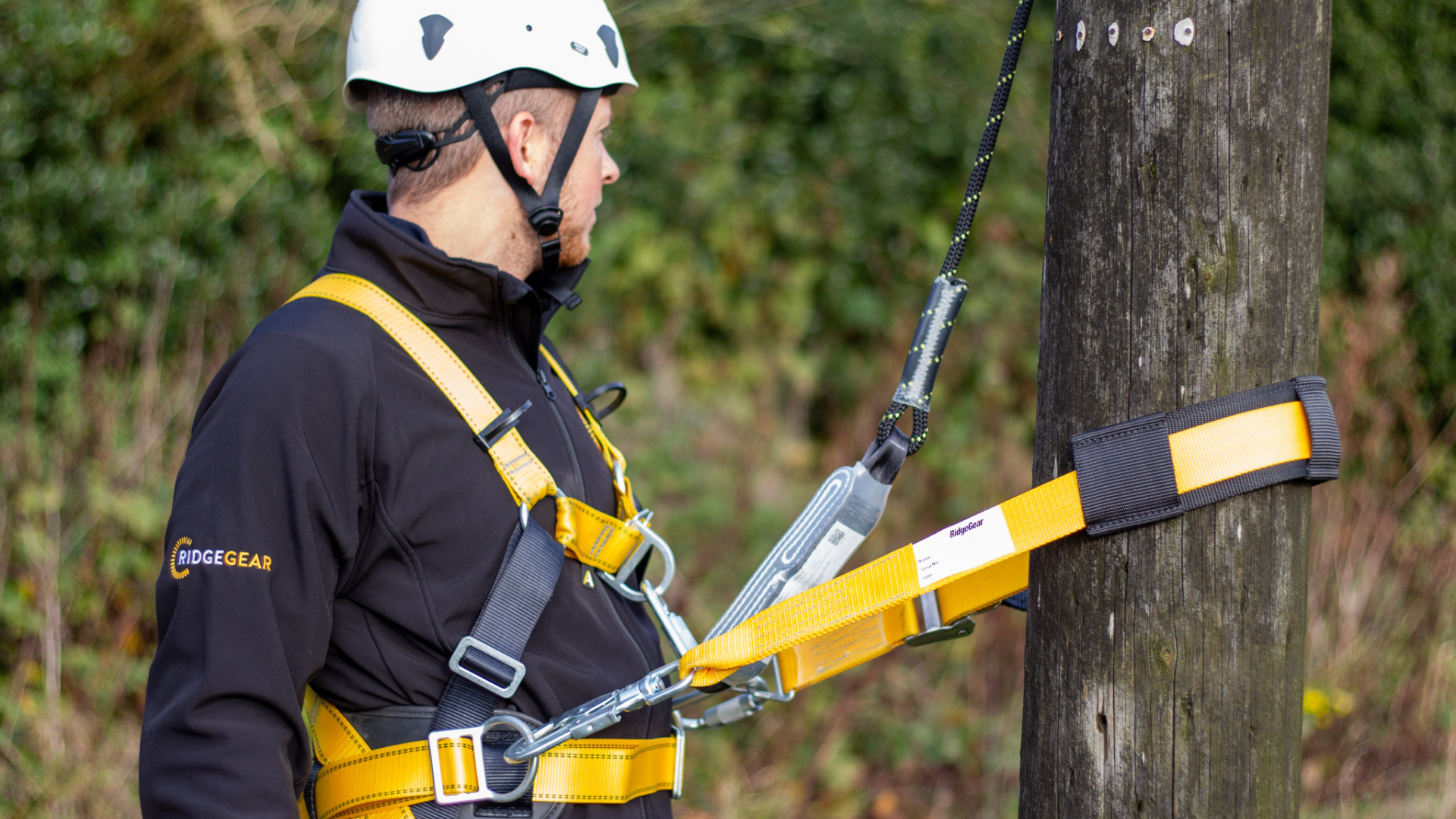
LOLER stands for the Lifting Operations and Lifting Equipment Regulations 1998. Where harnesses and associated fall protection equipment form part of a system used for lifting or protecting people, they must be properly maintained, checked and thoroughly examined by a competent person. For telecoms, utilities, infrastructure and access professionals, this is a vital part of safe working at height and responsible asset management.
Key areas of focus
What should a harness inspection cover?
A thorough examination should assess whether the harness and its related components remain safe to use. This includes checking the condition of the webbing, stitching, buckles, attachment points, adjusters and labels, along with any signs of abrasion, heat damage, contamination, corrosion, distortion or other defects that could affect performance.
Typical points checked during inspection
- Condition of webbing, including cuts, fraying, abrasion and surface damage
- Stitching integrity and any loose, pulled or worn threads
- Buckles, D-rings, connectors and metal components for distortion or corrosion
- Legibility of labels, traceability markings and product identification
- General signs of misuse, contamination or improper storage
Why regular inspection supports better operations
Harness inspections do more than support compliance. They help reduce avoidable downtime, protect your workforce, improve confidence on site and ensure that damaged equipment is identified and removed from service before it becomes a serious risk. A strong inspection process also supports customers and contractors who expect clear safety standards from their supply chain.
Book your yearly harness inspection
Create a direct route for customers to arrange their yearly inspection with Telenco UK. This section is ideal for linking to your enquiry form, service page or contact route and can sit prominently within the article to convert traffic into service-led leads.
Shop RidgeGear harnesses
Belt Safety Harness Kits
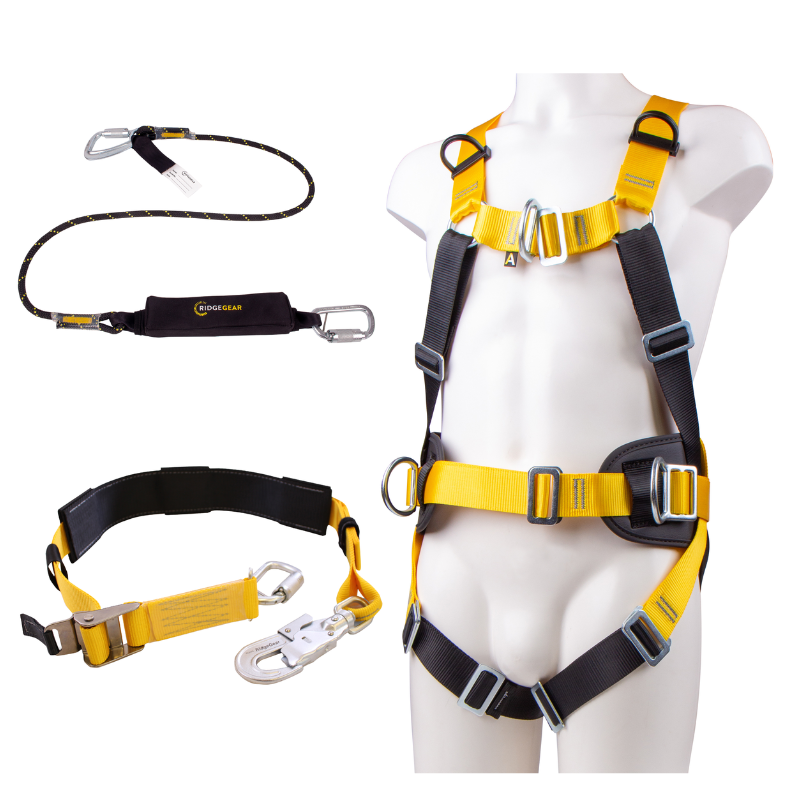
The RidgeGear BT Belt Safety 11C Kit - Large is a comprehensive safety solution designed for working at height, specifically tailored for telephone utilities. This kit includes essential components to ensure both safety and comfort during high-altitude tasks.
IPAF MEWP Harness Restraint Kit
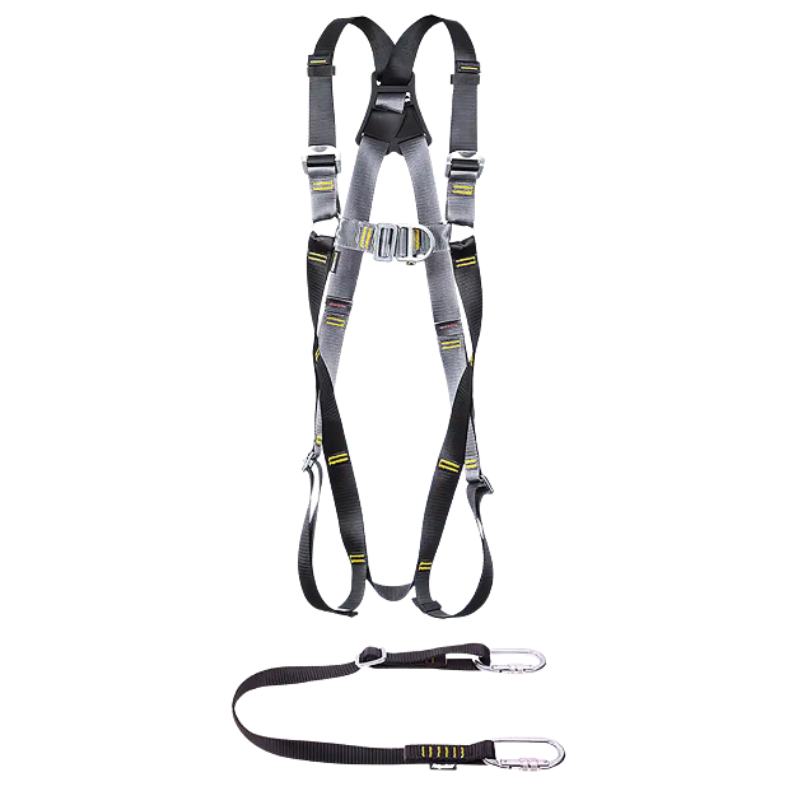
The RidgeGear RGHK5 IPAF Restraint Kit is a fully certified and ready-to-use solution for safe working at height in MEWPs such as cherry pickers and scissor lifts. Ideal for use across telecom, construction, and maintenance industries, this kit ensures complete fall restraint in line with IPAF safety standards.
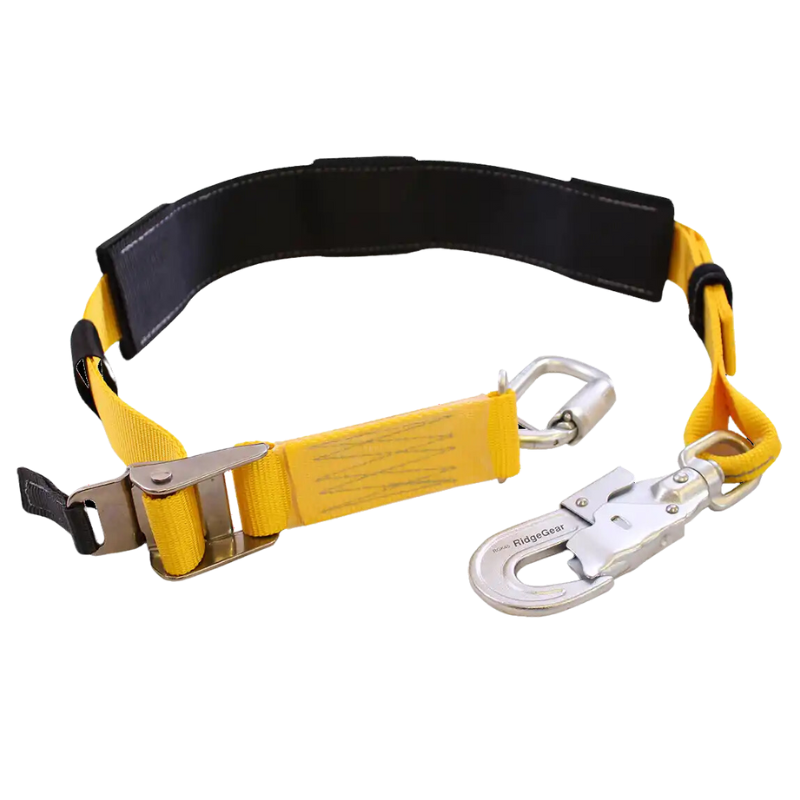
Lanyards and Belts
Frequently asked questions
Expand each question below to reveal the answer and create a more interactive article experience.
Does a safety harness come under LOLER in the UK?
Who should carry out a harness inspection?
What happens if a harness is damaged?
Why choose RidgeGear products from Telenco UK?
Support safer work at height with Telenco UK
Connect customers from compliance content to products and service support with a polished Telenco UK article that promotes RidgeGear harnesses, lanyards, belts and yearly inspection booking in one clear journey.