


Cable Ducting & Underground Cable Duct
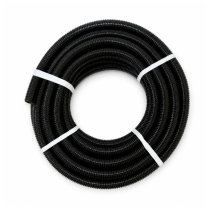
Underground Cable Ducting for Telecoms and FibreCable ducting (cable duct) is the rigid or flexible pipe laid underground to carry telecom, fibre and power cables between chambers, poles, cabinets and buildings. Telenco UK supplies BT standard duct sizes: Duct 56 (53.9 mm) for lead-ins and smaller routes and Duct 54D (96.5 mm) for main duct routes, plus split ducting, bends, swept tees, couplers, reducers and flexible tubing. Cable ducting sizes
Duct fittings
Underground cable ducting FAQsWhat size cable duct do I need?Allow space for the cables now and in future. Duct 56 suits single lead-in and drop cables; Duct 54D suits main routes carrying several cables or subducts. Many networks lay spare ducts at the same time. What is split ducting?Split duct opens along its length so it can be fitted around cables that are already in place, for example to repair damaged duct or protect an exposed section. How do I seal a cable duct?Fit a duct seal at each duct end to keep out water, gas and silt, and protect cables at the duct mouth with a bellmouth. Prove and clean ducts with duct rods and mandrels, then pull with a draw rope. |